

You Can Now Work in Korea Without Speaking Korean: Here’s What Changed
You can now work in Korea without speaking Korean fluently. Here's how Google's AI live translation removes the language barrier, representing the future of work.

For years, the same thought stopped people from working in Korea: "I'd have to be fluent first." That barrier just got a lot smaller.
Google rolled out real-time AI speech translation called Live Translate 3.5 just this month, and it changes the game for anyone who wants to work in Korea without speaking Korean at a native level. It's already public in the Google Translate app on Android and iOS, and it's rolling into Google Meet. Meetings, standups, quick syncs with your team, the stuff that used to require fluency, can now happen with live translation running underneath the conversation. It's not perfect for every language yet, but the direction is clear, and it's worth understanding before you shut down your chances of working here.
I moved to Korea four years ago and landed a six-figure job without fluent Korean. So when I say the barrier is dropping, I mean it was already lower than people think, and AI is about to lower it down further.
What Google Actually Launched
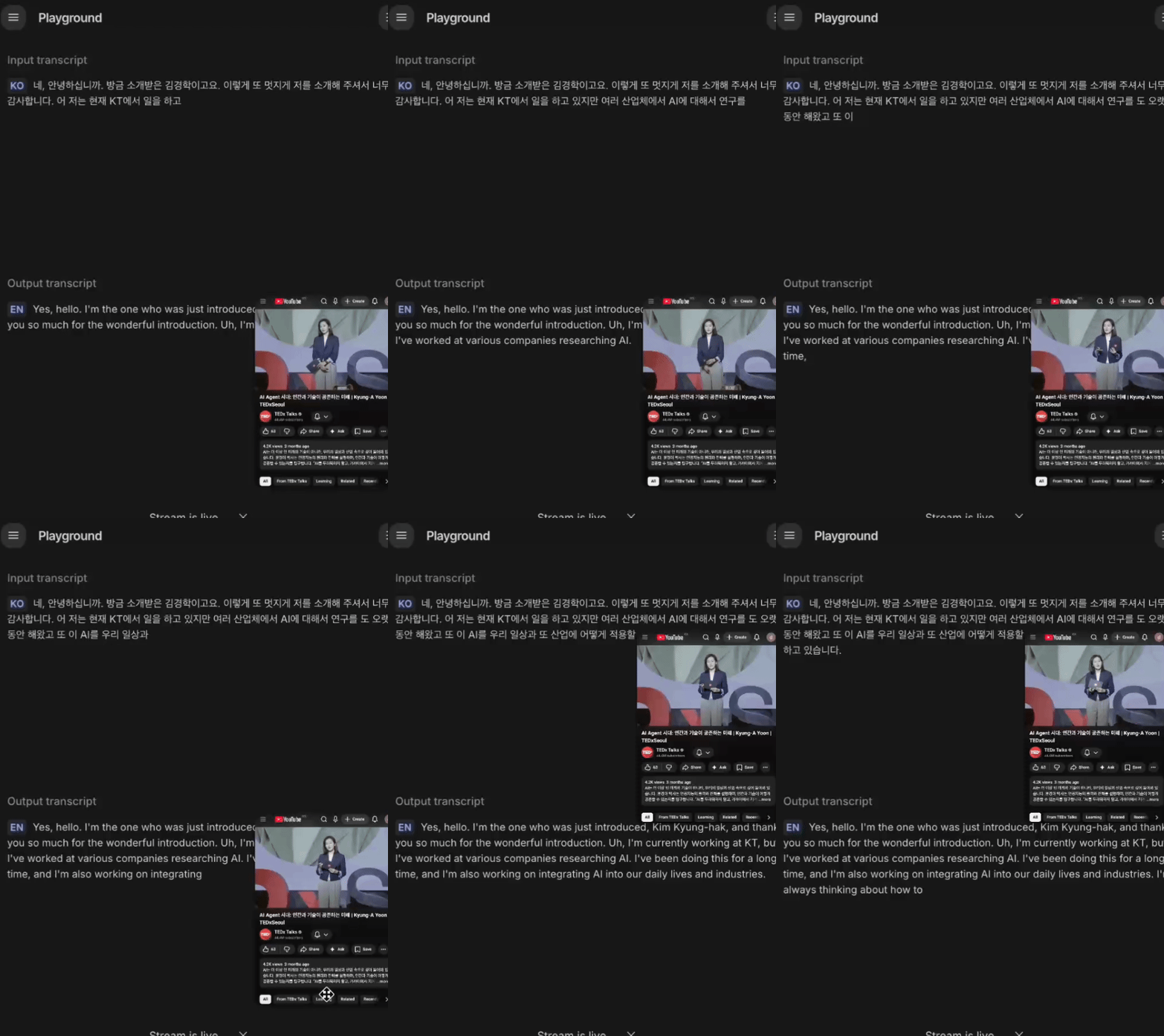
Speech translation in Google Meet first went generally available in early 2026, but the version that matters for Korean arrived on June 9, 2026: Gemini 3.5 Live Translate. It's Google's newest audio model, and it does near real-time speech-to-speech translation across more than 70 languages, Korean included.
Two things make it different from what came before. It speaks the translation out loud in a natural voice that keeps the original speaker's intonation, pacing, and pitch, so it doesn't sound robotic. And it translates continuously instead of waiting for you to finish a sentence, staying just a few seconds behind the speaker without the awkward stop-start pauses older tools had.
This is the upgrade that closes the Korean gap. The earlier Meet version only spoke five European language pairs aloud. The new model jumps to 70-plus languages and over 2,000 language combinations in a single meeting, so a Korean speaker and an English speaker can finally talk through it in voice, both directions.
The rollout is staggered. Developers get it through the Gemini Live API and AI Studio. Google Meet is getting it in private preview for select business Workspace customers this month, with a wider rollout later in 2026. And the Google Translate app on Android and iOS already has it globally right now, which is the easiest way to try Korean voice translation today.

How To Actually Test This Right Now
You don't need a job offer, a paid plan, or a Korean friend on standby. You can hear it working in about five minutes.
Start with the Google Translate app. Gemini 3.5 Live Translate is already rolling out there globally on Android and iOS, so this is the fastest path to Korean voice translation right now. Update the app, open the Live translate feature, set the pair to English and Korean, and plug in any headphones. It mirrors the speaker's tone and stays a few seconds behind.

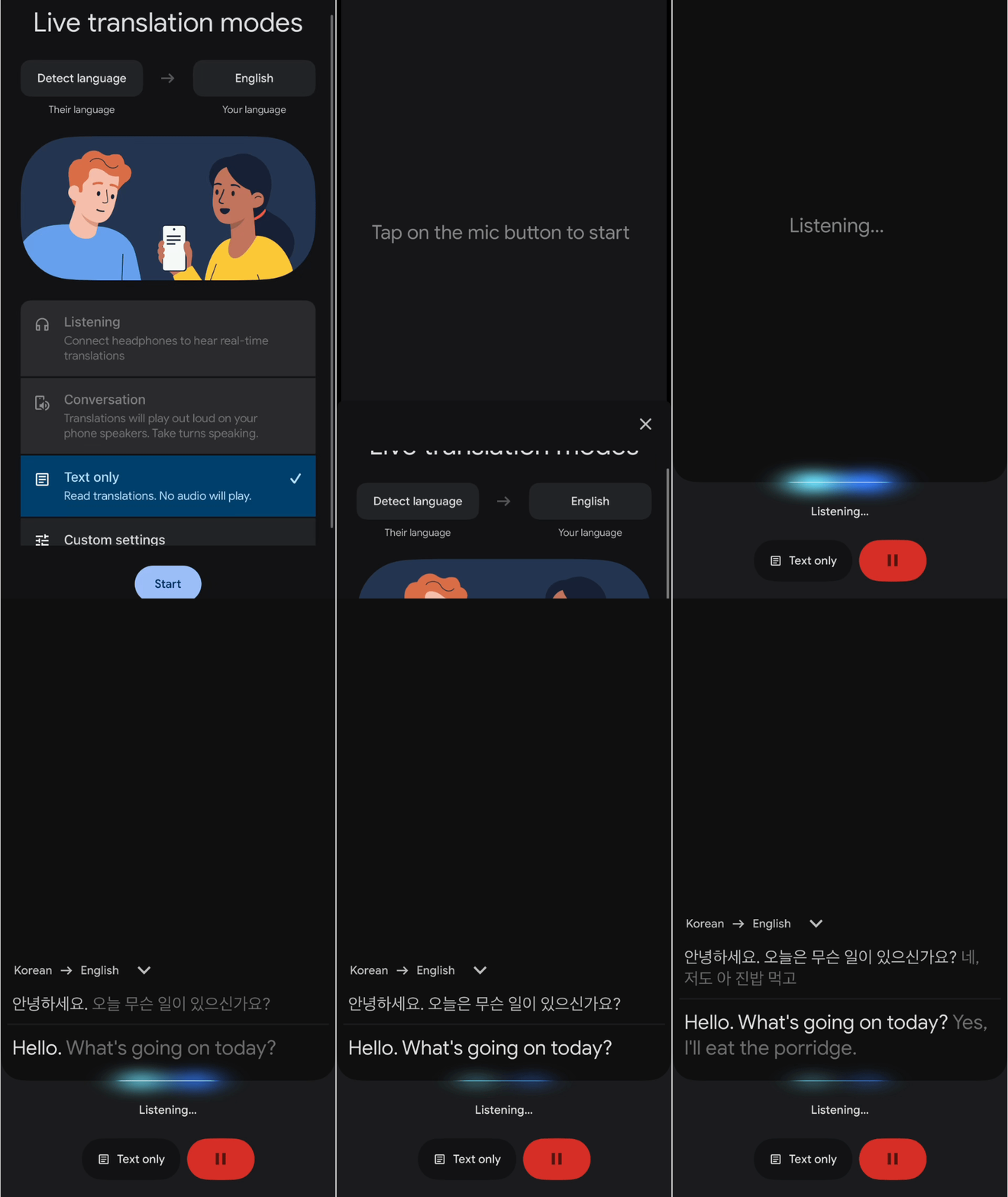
Run a real test. Play a Korean YouTube clip, drama, or podcast and let the app translate it into spoken English in your ear. You'll hear the short lag and how it handles normal speech versus slang. On Android, try the new listening mode: hold the phone to your ear like a regular call and the translated audio streams straight to you, no headphones needed.
For the Meet version, the upgrade is in private preview for select business Workspace customers this month, with a broader rollout later in 2026. If your company runs on Google Workspace, it may be worth asking your admin to opt in.
Why This Matters If You Want To Work In Korea
Think about what actually blocks a foreigner in a Korean office. It's the meeting where decisions get made, the technical review, the moment your manager asks for your read on something and you freeze because you're translating in your head.
Live captions take that pressure off. You can follow the discussion in real time, jump in when it's your turn. That's the part that just changed.
And here's something people underestimate: a huge number of roles in Korea already run in English. Multinationals, startups chasing global markets, engineering teams, and global companies with Seoul offices often work in English by default. Add live translation on top, and the pool of jobs you can realistically do widens fast. Check out my article here on how to find English-friendly roles in Korea.
The Honest Catch
The takeaway is simple. Working in Korea without fluent Korean was already possible, I'm proof of it, and AI translation is making it more accessible by the month. The reading side works for Korean now, the spoken side is on its way (it’s probably being developed as you’re reading this), and the jobs that run in English are already out there.
If you've been telling yourself "someday, once I'm fluent," consider this your nudge to start applying now.