

Top AI and Tech Courses For Foreigners To Get Jobs in 2026
Discover how to access free and paid bootcamps in Korea funded by the government and top corporations. Learn which courses are actually trending in 2026 to get employed.

Have you ever wondered what specific courses Korean candidates are taking nowadays to get ahead?
Instead of feeling left out or overwhelmed by the language barrier, you can now access the same resources as local applicants. In this guide, I am going to introduce you to a platform that lists free and paid courses, rated by the most popular so you know what courses Korean candidates are actually taking in 2026.
Whether you are a graduate student in Korea, or a long-term resident seeking a career change, these bootcamps often offer the right training needed to land a job in Korea. As a foreigner, you are welcome to apply to these programs if you hold the proper visa.
Check Inside Bootcamper
To find the popular courses, head over to Bootcamper. This platform is designed to curate a list of popular courses funded by the government and big corporates.

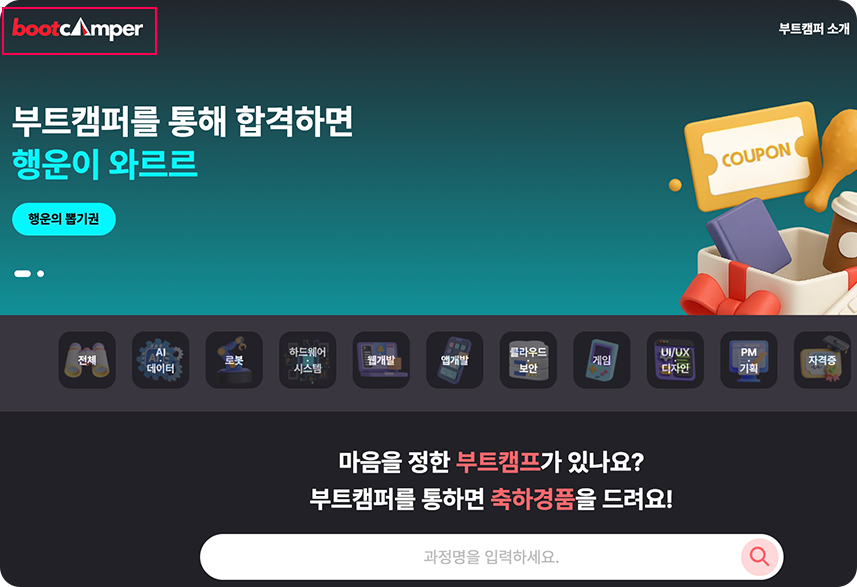
Understanding the Two Main Types of Courses
Before diving into the platform, understand how these programs are structured. Generally, the opportunities on the site fall into two categories.
- 국비지원: Government-Funded Training: These are programs fully or partially funded by the Korean Ministry of Employment and Labor. While they offer great value and often provide a monthly stipend to students just like a grant, they have strict eligibility requirements. Typically, these are reserved for Korean citizens or foreigners holding specific long term residency visas like F-2 (Resident), F-5 (Permanent Resident), or F-6 (Marriage) visa
- Corporate Bootcamps: These are programs hosted by corporates like Samsung, Naver, Kakao, or KT. Often, these are available to anyone under the age of 30 who has recently graduated or is about to graduate, even as a foreigner (D-2/D-10). These programs are great opportunity which can often lead directly to internship or job offers.
So Which Bootcamps Should You Choose?
Based on market demand and curriculum quality, I would go for curriculum that’s hosted by big corporates, who are usually focusing on tech and AI right now.

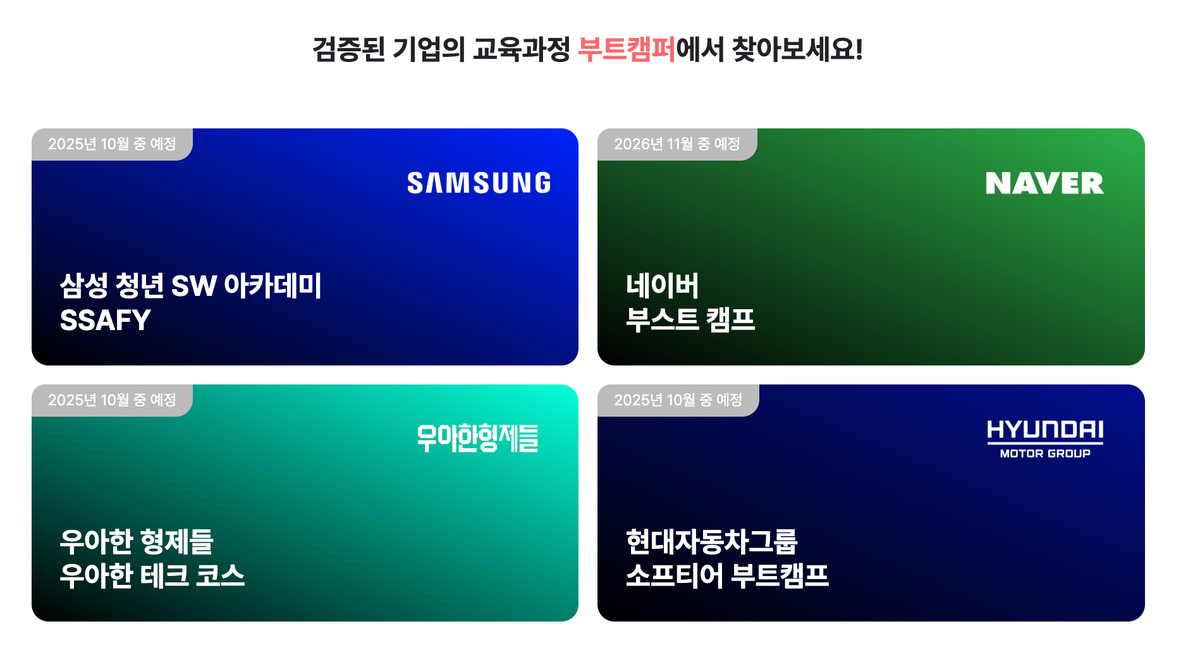
Programs that are offered by the big corporates would be incredibly useful for your experience on your resume. They provide heavy training and a deep network of industry mentors.
Their cohort usually starts in Q3 of each year. Right now as of writing (2026 Q2), they haven’t opened yet, but they will announce application soon so check back in regularly.
Last year, their eligibility for Naver boostcamp was:

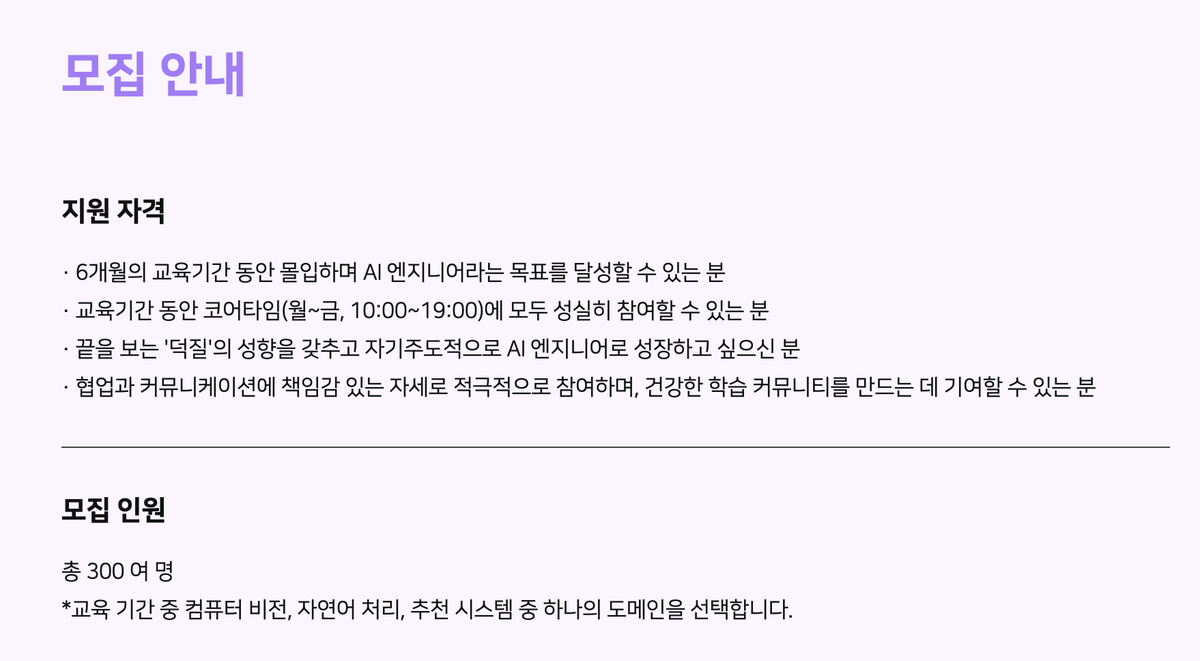
So someone who wants to become an AI engineer and can be trained full time during core hours. They’re quite competitive though, so prepare your resume and portfolio in advance.
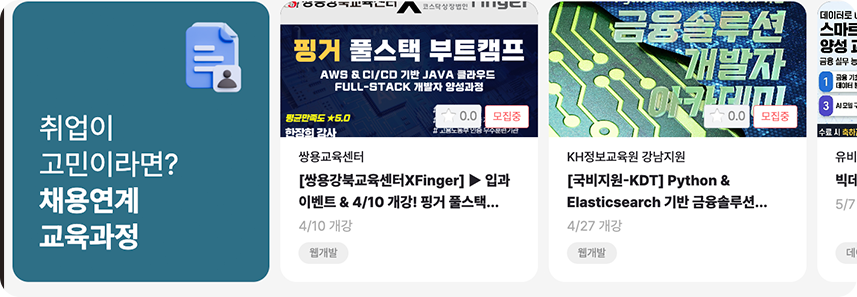
If you’re a long term resident, focus on applying for training programs that have a guaranteed job link after. They’re usually called 채용연계. Right now, Korea is focused on hiring for AI tech roles. You can also get a grant to take these courses either fully or partially funded by using your 내일배움카드. You can check out my other post on how to apply for this grant card.

Finally, can you apply?
Before you spend hours on an application, check your status.
- Government funded: You generally need an F-2 (Resident), F-5 (Permanent Resident), or F-6 (Marriage) visa. Most D-series and E-series visas are excluded from these specific government subsidies.
- For Corporate Bootcamps: These are often more flexible. If you have an F-series visa or even a D-2 (Student) visa with permission to work, you are generally eligible. The eligibility varies by company, so check each corporate company on the website.
- Age Requirements: Many of these programs are designed to help youth unemployment, meaning they often prioritize applicants under the age of 35.
Staying competitive in Korea requires more than just a degree; it requires continuous upskilling in the right areas. By leveraging platforms like Bootcamper, you can find the same high quality education that is helping local candidates into the job market.
What do you think? Are you planning to apply for a bootcamp this year? If you need further help, feel free to contact me here and I’ll see how I can help!