The Global Company Analysis for Job Seekers in Korea: How to Use It and Stop Wasting Time
A free database of global companies hiring in Korea, scored on English-friendliness, growth, 2027 outlook, and open roles. Here's how to use it to apply smart.


Most job boards just list their JDs. But the real struggle is actually researching the company and investing your applications into the ones that are actually worth your time, whether it hires foreigners, whether it's growing or quietly sinking, and whether it has anything open right now. And as a foreigner in Korea on a visa deadline, blind applications can cost you both your time and money.
So I built the thing I wished existed: the Kove Global Company List (2026~). It's a database of global companies operating in Korea, scored on what actually matters when you're job-hunting here.
What's tracked for each company:
- English-Friendly and Foreigner-Hiring Evidence: whether they run in English, and whether there's proof they hire people like you.
- Company outlook and where they're headed toward 2027: so you don't chase a company that’s going downwards.
- Biggest Problem Now: the challenge they're publicly dealing with right now.
- Financial Signal and Confidence: pulled from public DART filings, showing their financial reports
- Open Roles and a direct link: what's open as of 2026 July (note that if you’re reading this beyond that, you can still check their openings with a direct link to the career page)
- Sector, Segment (corporate / startup / SME), HQ Country, and the Korea entity.
I personally compiled and cross-checked this over many hours.

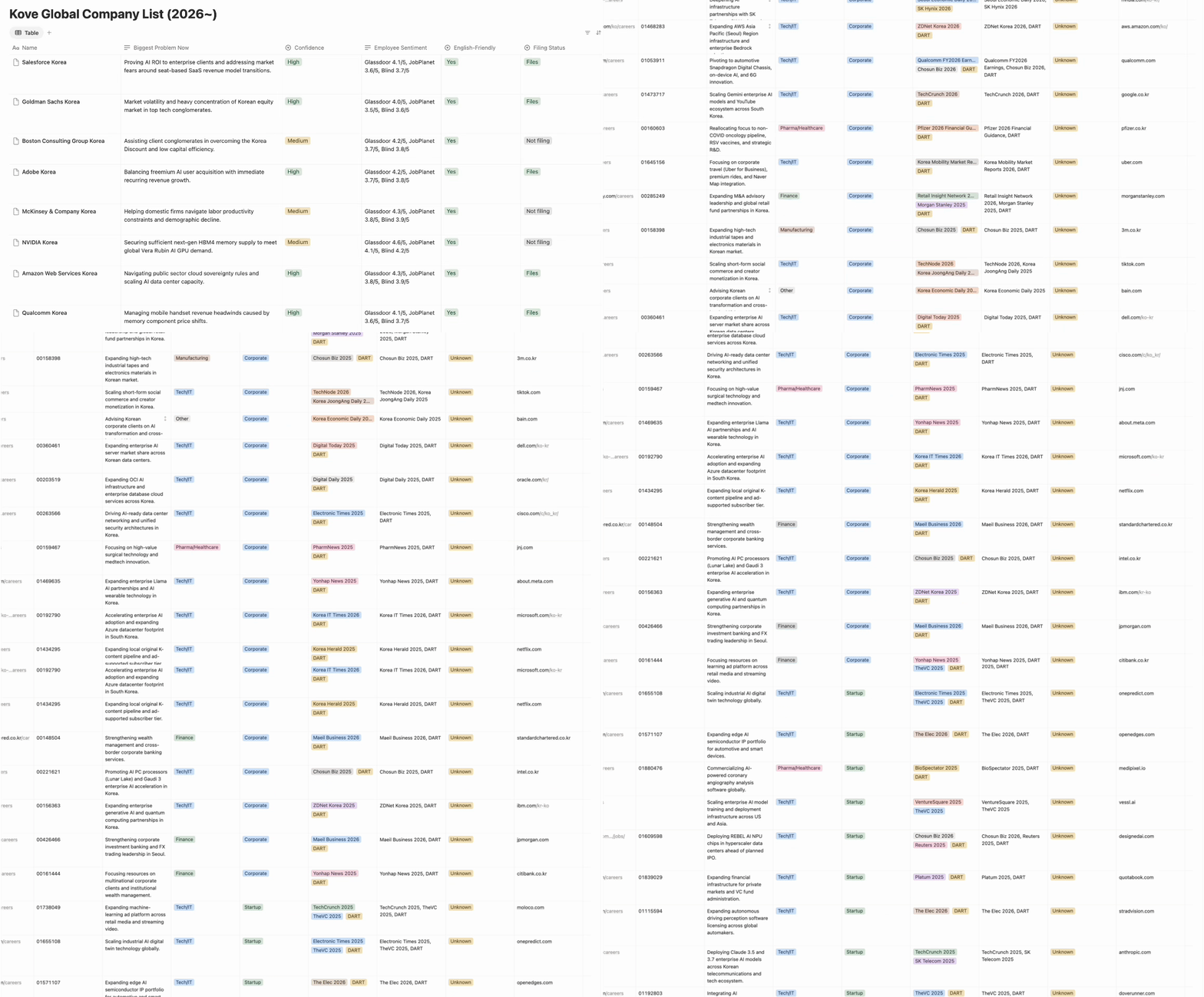
Right now the list is around ~300 major global companies, but I am adding on to it over the next couple of months. You won't find it anywhere else.
Here's how to actually use it.
1. Don’t apply to a company going downwards
Sort by Growing and read the Outlook and Financial Signal. A famous global company means nothing if its Korea branch is contracting. Use the Confidence field to weight how much to trust each signal.
2. Match it to your skills
Filter by Sector (Tech/IT, Pharma, Finance, Manufacturing, and so on) and Segment. A small startup and a big global corporate want completely different things from you. Aim where your background fits.
3. Turn Biggest Problem Now into your interview edge
This is the field most people skip, and it's the most valuable one. Walk into an interview already knowing the company's current challenge and how your skills match. Put it in your cover letter. Bring it up in the interview. I have also personally listed the sources so you can read more about it for that company.
5. Observe what’s open
Use Open Roles and the Open Roles Link to jump to postings, and see what positions they’re hiring for.
Verify it, and find more yourself
Treat the list as your map, then confirm on their career pages for more detail
- Wanted, Rocketpunch, TheVC for tech and startup roles, both foreigner-friendly.
- Peoplenjob for roles at multinationals operating in Korea.
- DART if you want to read a company's real financials yourself (more guide available here).
- ECCK and AMCHAM Korea to find even more European and American companies operating here.
It's free, and you can access it below!