

How to Filter Korean Companies That Won’t Hire You
Learn this 4-step strategic research method to find companies that actively hire and sponsor foreigners.


Most people think getting a job in Korea is impossible. You are told you have to speak Korean fluently, and even if you do, you are left completely unsure which companies actually hire foreigners.
I moved here three years ago with beginner-level Korean and still got hired in the competitive Korean IT industry. How did I do it? I knew exactly where to look and how to filter out the companies that would never hire me anyway. Let’s get strategic with our research.
Today, I will show you my exact four-step method so you can start working in Korea too!
Step 1: LinkedIn’s Hidden Company Feature
Most people search for job postings on LinkedIn. I searched for companies instead.
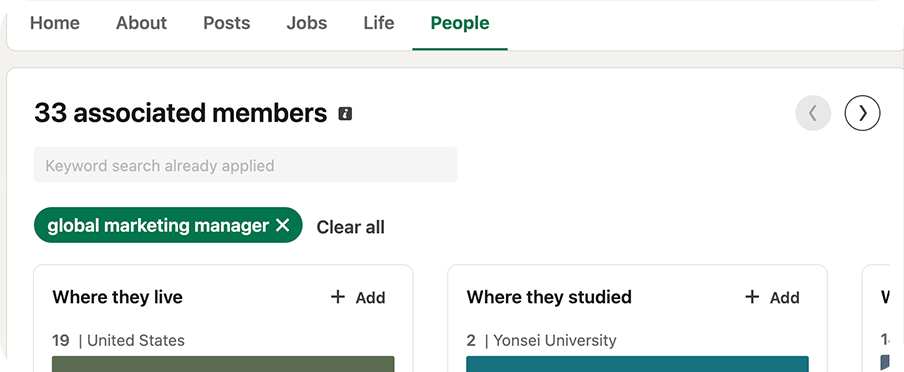
Here is what you can do differently. Go to LinkedIn's company search, filter by "South Korea" and target roles ("software developer"), and opened company profiles one by one. But instead of reading their "About" section, click on the button that says "See all employees on LinkedIn."
This is where it gets highly specific. I scrolled through their employee directory looking for two major clues: non-Korean names and job titles written in English like "Global Marketing Manager." If I saw three to five foreigner names working there, I immediately knew they already had the visa infrastructure and internal culture to hire foreigners.

Step 2: Stop Applying on Job Boards
Instead of mindlessly applying on job boards, I used them as a massive research database.
I filtered these sites for keywords like "English speaker preferred," "bilingual," "no Korean required," or "global team." But here is the trick that most people fail to do. I looked at which companies appeared repeatedly on these boards with English-language job postings.
If a single company posted three or more English job descriptions in the last six months, that told me hiring foreigners is an ongoing and necessary part of their active hiring strategy.
Step 3: Track Startups with Foreign Backed VC
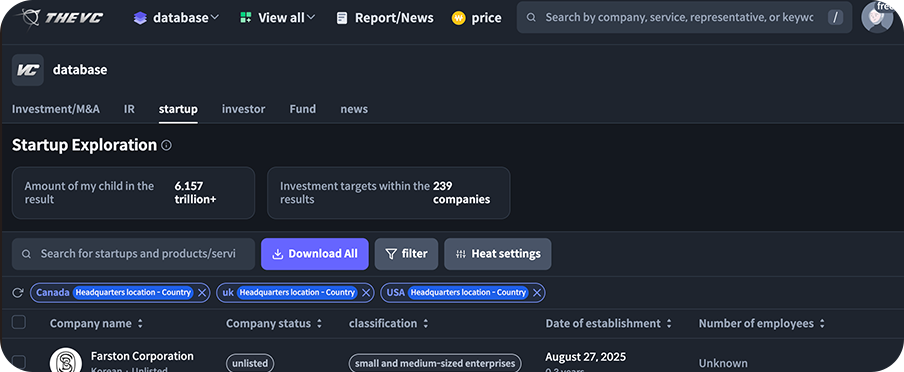
Next, I targeted startups with global ambitions. I used a database called TheVC, which tracks the Korean startup and venture capital ecosystem. I specifically looked for companies tagged with "global expansion" or those listing overseas branch offices.
Then, I did something extra. I checked the founder's LinkedIn profile. If the founder studied abroad at universities like Stanford or MIT, or worked at global tech giants like Google, Facebook, or Amazon, they almost always built English-friendly internal cultures. I added every single one of these globally-minded startups to my target list.

Step Four: Build Your Intentional Target List
By the end of my research, I had a highly curated spreadsheet. My tracker included:
- Company name
- Website link
- Industry type
- Specific notes about their foreign hires and founders
This method is not about applying to every single job you see. It is about researching which companies are already set up to hire, onboard, and truly support foreigners, and then targeting them intentionally.
Summary and Next Steps
Getting a job in Korea without fluent Korean requires a calculated strategy, not just luck. By using LinkedIn to find foreign employees, reverse-engineering job boards, tracking global startups on TheVC, and building a targeted spreadsheet, you can bypass the traditional language barriers.
Want a head start on your job hunt?
You can check out our free resources or join the KOVE community!